
The Guiding Light: The Spiritual History of the Jack-O'-Lantern
- Psychic Darryl

- Oct 19, 2025
- 2 min read
Every fall, we carve those cheerful (or creepy!) faces into bright orange pumpkins, setting them alight on our porches. But before they were cute seasonal decor, the jack-o’-lantern served a much darker, spiritual purpose. Its true origin doesn't involve pumpkins at all, but rather a restless, cursed soul and a humble root vegetable from ancient Ireland.
The Myth of Stingy Jack
The legend begins with "Stingy Jack," a notorious trickster who enjoyed cheating everyone, including the Devil himself. According to the Irish folklore, Jack managed to trick the Devil twice, making him promise that Jack would never be taken to hell. However, Jack was far too wicked to enter heaven.
When Jack died, he was rejected by both heaven and hell. The Devil, keeping his promise, refused to take Jack but tossed him a glowing piece of coal to light his way as he wandered the Earth forever. Jack placed the ember inside a carved-out turnip (sometimes a potato or beet) to carry it. This wretched, wandering soul became known as "Jack of the Lantern," which eventually evolved into the "Jack-O'-Lantern."
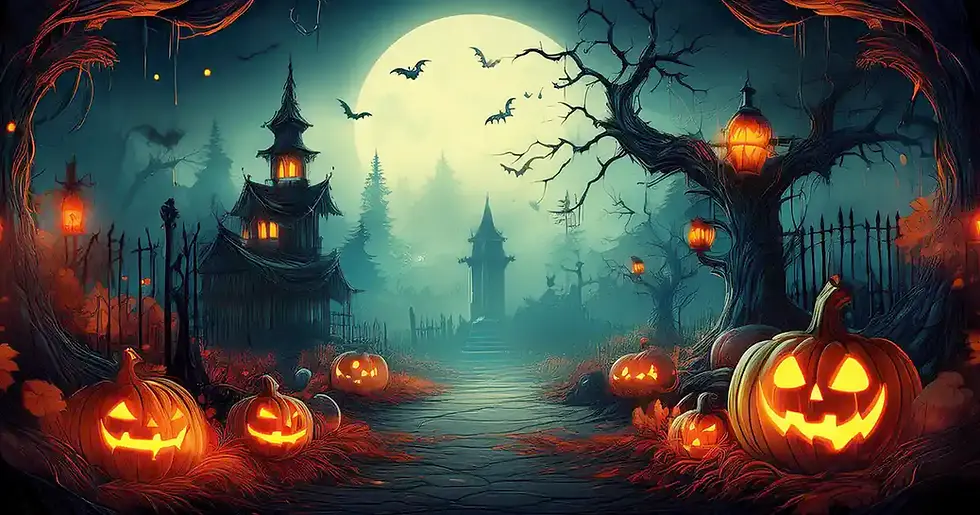
From Turnips to Pumpkins
When Irish and Scottish immigrants came to North America, they brought the tradition of carving lanterns for Halloween. However, turnips and potatoes were scarce, difficult to carve, and generally too small. They soon discovered the native pumpkin—large, soft, and plentiful—and the tradition quickly adapted. The pumpkin carving we know today is a beautiful blend of Old World superstition and New World crops.
The Lantern on the Spiritual Veil
Crucially, the original purpose of the lantern ties directly into themes of mediumship and psychic work. The time of Samhain (the spiritual predecessor to Halloween) was believed to be when the veil between the living and the dead was thinnest. The light served a dual purpose: it was meant to be a protective symbol.

By carving and illuminating these eerie faces, people hoped to ward off malevolent spirits, like Stingy Jack, who roamed the night. But for those engaged in spiritual or medium work, the lantern also acted as a beacon. Its light was thought to safely guide benevolent ancestral spirits to their homes for the night, ensuring only friendly energies crossed the boundary. It was a literal protective light on the spiritual veil. So, the next time you light your pumpkin, remember you're taking part in a tradition that once helped souls find their way home.


Comments